Property Development in Paphos
Property development brings together the site, planning, design, technical requirements, construction and intended use of a property. Rodi Developers supports clients through this wider development process so major decisions are considered together rather than as disconnected stages.
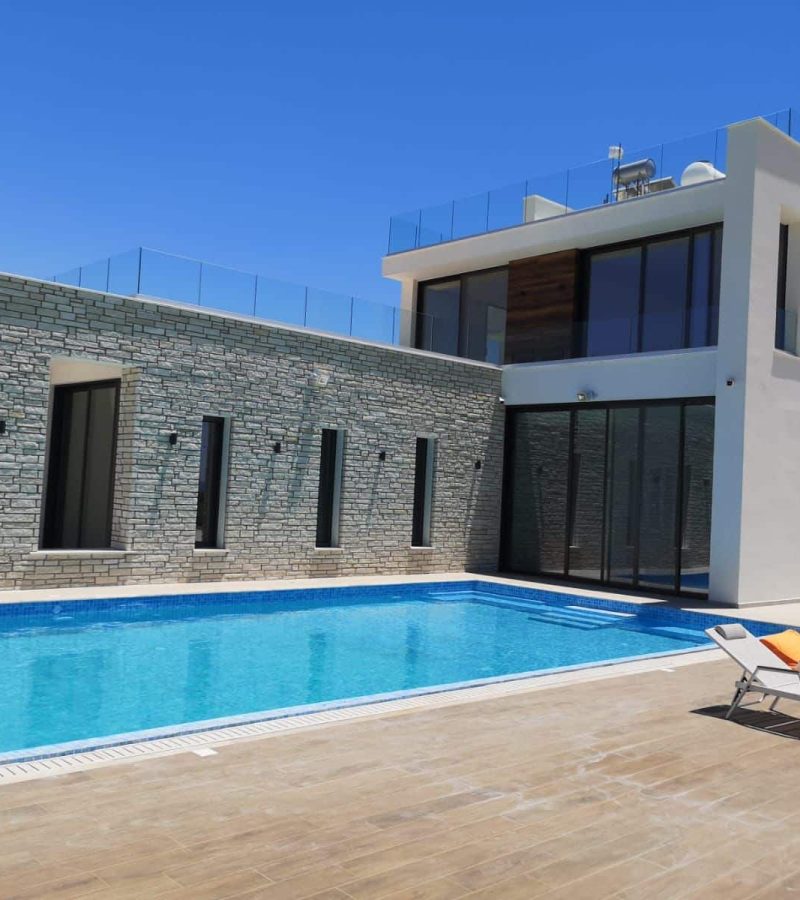
Understand the site before major decisions are made
A development starts with more than a drawing or a construction quotation. Access, orientation, topography, available infrastructure, planning conditions and the intended end use can all influence what is viable.
Early assessment helps identify constraints before they become expensive changes later in the process.
Turn the development idea into a structured project
The exact scope changes by project, but the development route needs the same core decisions to stay connected from early assessment into construction.
Project brief
Clarify what is being developed, for whom, why and what the finished property needs to achieve.
Site assessment
Understand the physical conditions and development context before design decisions harden.
Planning & feasibility
Identify the requirements and constraints that shape what can be delivered.
Design coordination
Bring design, structure, services and construction requirements into one buildable direction.
Construction delivery
Move from the coordinated scheme into the actual building work and completion.
Keep planning, design and construction aimed at the same result
Property development usually involves multiple professional and technical inputs. Coordination matters because decisions made during planning and design directly affect construction, cost, programme and long-term use.
The value is not administrative. It is keeping the project brief, technical requirements and delivery decisions aligned.
Requirements and constraints need to be understood before the project is treated as build-ready.
Layouts, form and use need to remain compatible with the site and technical realities.
Structure, services and construction details should support rather than undermine the design intent.
Scope, sequence and construction decisions need to follow the coordinated project rather than re-invent it on site.
Development that works as a project and as a home
Residential development needs technical viability, but it also needs practical living spaces, circulation, privacy, outdoor areas and a layout suited to the people who will use the property.
When the project is specifically a custom home rather than a wider development route, continue to the dedicated New Home Builds service.
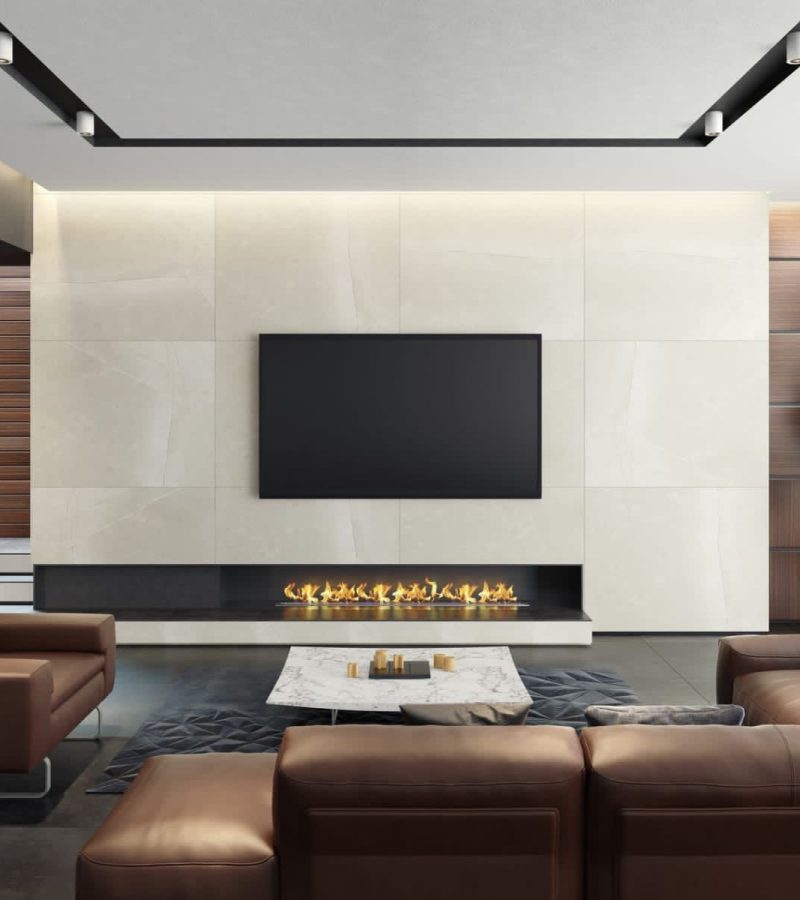
A typical property development journey
The sequence is not identical for every site, but these are the main stages that need to stay coordinated.
Project brief
Define what is being developed, for whom and why.
Site assessment
Understand the plot, access, physical constraints and development context.
Planning & feasibility
Identify the requirements that shape what can be delivered.
Design & technical coordination
Turn the project requirements into a buildable scheme.
Pre-construction
Finalise the scope and organise the project for construction.
Construction
Deliver structural, building-services and finishing work.
Completion
Inspect, finalise and prepare the property for use or handover.
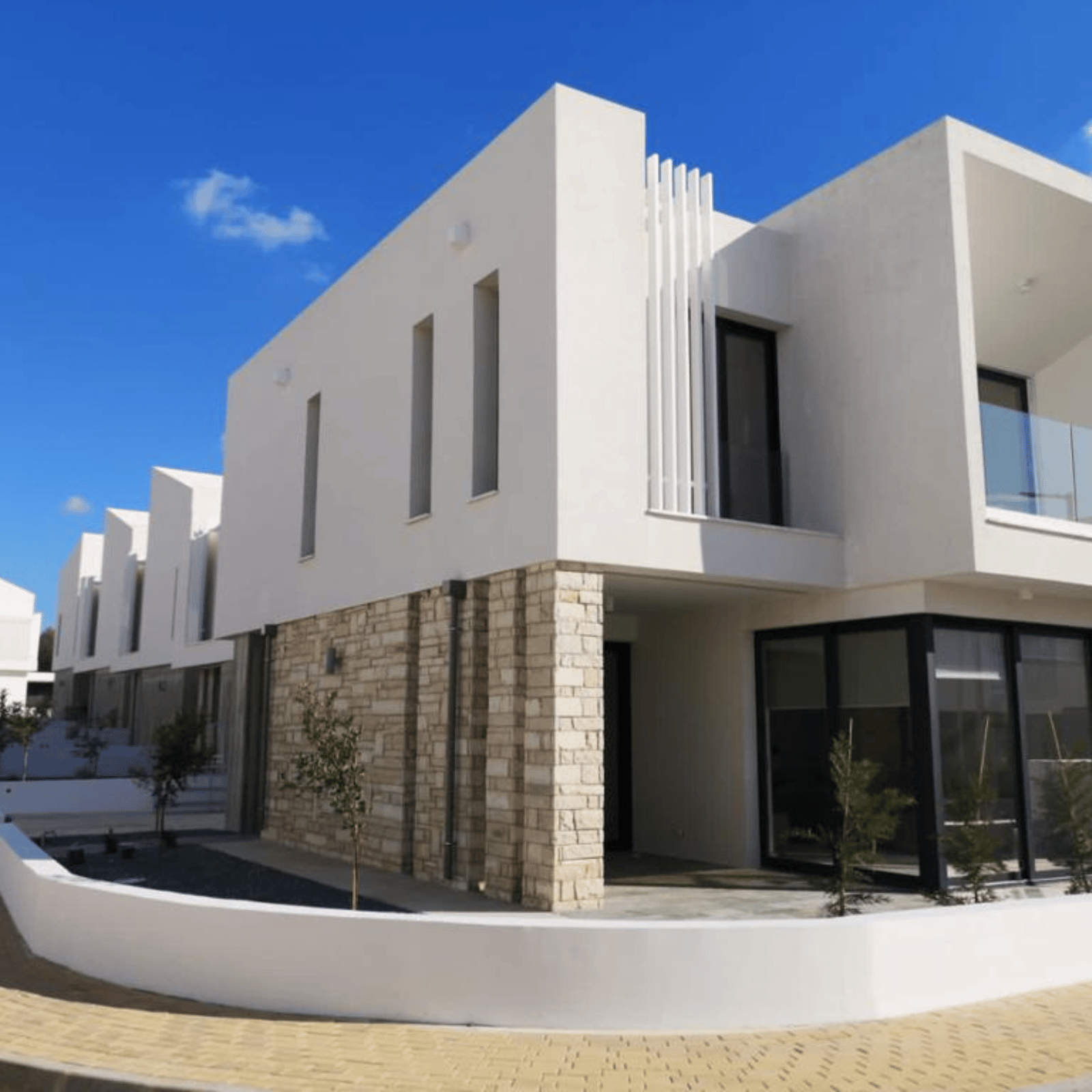
Local context changes the development strategy
Paphos combines established residential areas, tourism-driven demand, new development and a wide variety of site conditions. The appropriate development strategy therefore depends on the actual plot and project rather than a standard template.
Services and guidance around the development project
Use the route that best matches what the project has become after the early development decisions are clear.
New Home Builds
For a custom residential project moving directly into a new-home build.
→ 02Commercial Construction
For office, retail and other business-use construction projects.
→ 03Land & Development Guides
Research land, development potential and building-on-land questions.
→ 04About Cyprus
Property, investment and broader Cyprus context.
→Property development FAQs
What is included in property development?
How is property development different from simply hiring a builder?
Can Rodi Developers also build the property?
I already own land. Where should I start?
Discuss your property development in Paphos
Send Rodi Developers the site location, the type of property you are considering and the current stage of the project.